guide
What to Eat in Budapest, Honestly
Goulash is a soup. The chimney cake is Transylvanian. The best lunch in the city costs about the same as a coffee on the river. Here is what to eat in Budapest and what to walk past.
Start with the thing everyone gets wrong
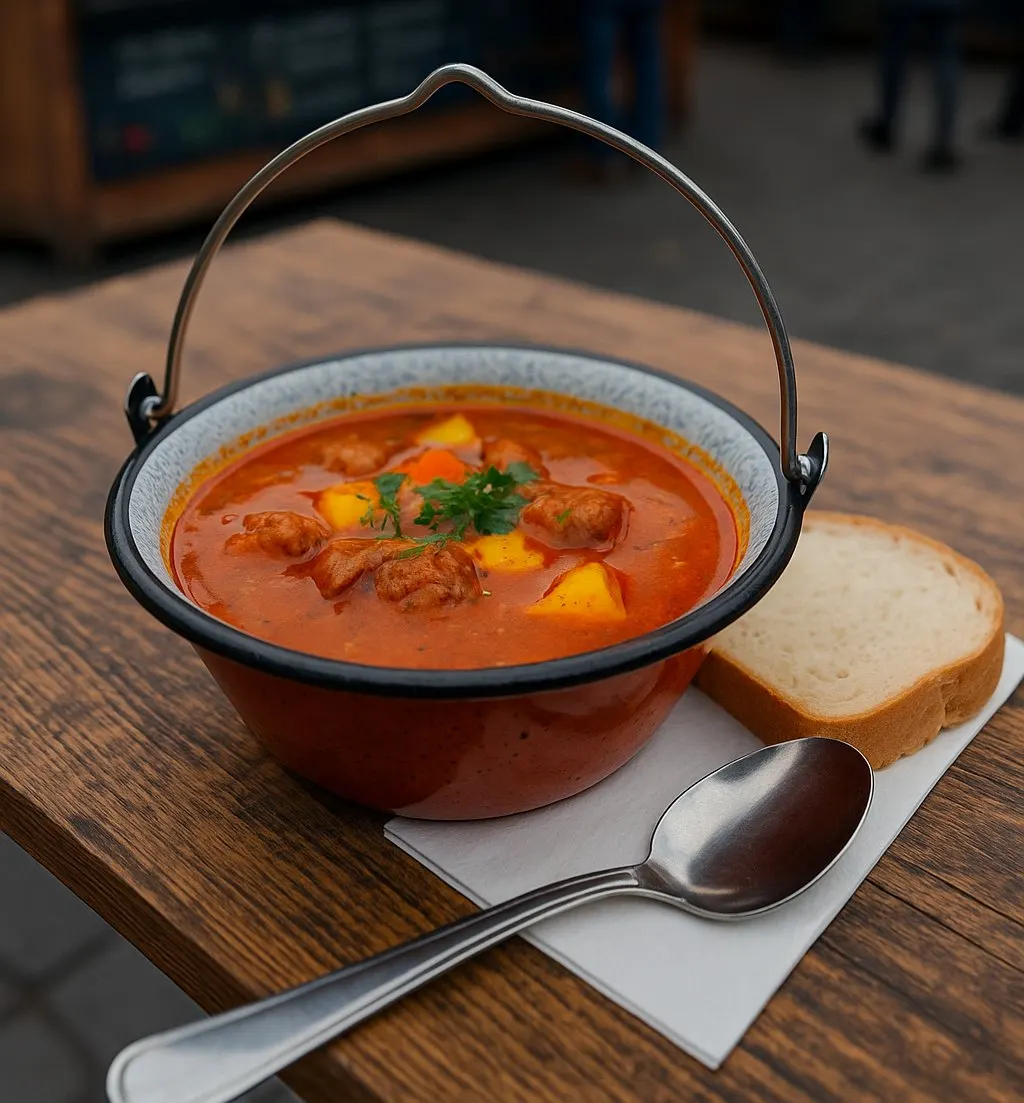
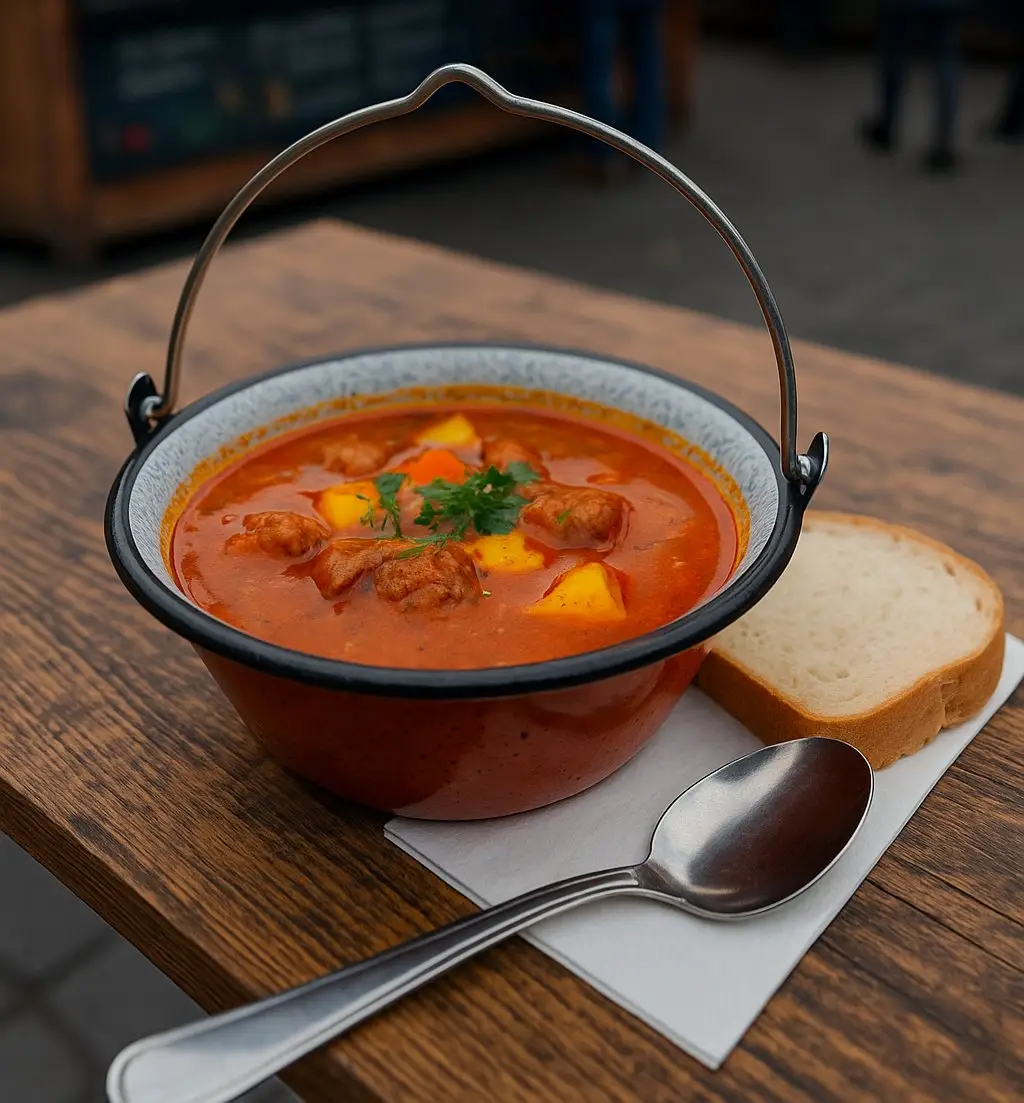
Gulyás is a soup. Thin, beef, paprika, potato, eaten with bread from a bowl. The thick stew served abroad under the name “goulash” is pörkölt, and if you order gulyás expecting it you will be disappointed by something that is not actually wrong.
Sorting that out takes about twenty minutes and improves the rest of the week. Add paprikás — the same idea finished with sour cream, usually chicken — and you have the three dishes the country is built on.
The dishes worth going out of your way for
Halászlé. Fisherman’s soup: river fish, a serious amount of paprika, and no compromise. There are two schools — the Szeged style with a sieved base, the Baja style served with pasta — and Hungarians have opinions. Order it if you like heat.
Főzelék. Thick vegetable dish, somewhere between a soup and a purée, made with peas, lentils, marrow or spinach. It is what Hungary eats for lunch on a Tuesday and it is almost never sold to visitors, which tells you everything.
Töltött káposzta. Stuffed cabbage, better in winter, better still around Christmas.
Lángos. Deep-fried dough, sour cream and grated cheese. A market food and a hangover food, not a dinner. Eat it standing up.
What is sold as Hungarian and is not, quite
Kürtőskalács — the chimney cake on the spit — is Transylvanian, and its popularity in Budapest’s tourist streets is recent. It is good. It is not a Hungarian dessert tradition, and paying tourist-strip prices for one is a choice.
The real cakes are in the coffee houses: Dobos torta with its caramel lid, Eszterházy, and Somlói galuska, which is sponge, chocolate, rum and whipped cream and is the best of the three.
And in any supermarket fridge: Túró Rudi, a curd cheese bar in a red-spotted wrapper. Genuinely Hungarian, genuinely loved, costs almost nothing.
Where to actually eat
Market halls, upstairs. The Great Market Hall (Nagyvásárcsarnok) is worth seeing for the building and the produce, but its upstairs food court at midday is priced for the people photographing it. Go early or go elsewhere for lunch.
Hold utca market, behind the Basilica, is the one to know. Small, upstairs counters run by actual cooks, a proper lunch for the price of a cocktail on the river. Fény utca on the Buda side is the same idea with fewer visitors.
Étkezde and önkiszolgáló. Canteen-style lunch places, often with the menu on a board and no English. This is where the office workers are at 12:30. The food is honest and the bill is small.
Drinking
Pálinka is fruit brandy at 40% and up. It is not a polite digestif to be sipped — it is knocked back, before or after the meal, and a good one tastes overwhelmingly of the fruit it was made from. Apricot (barack) is the usual starting point.
Unicum is the black herbal bitter in the round bottle. Nobody expects you to like it the first time.
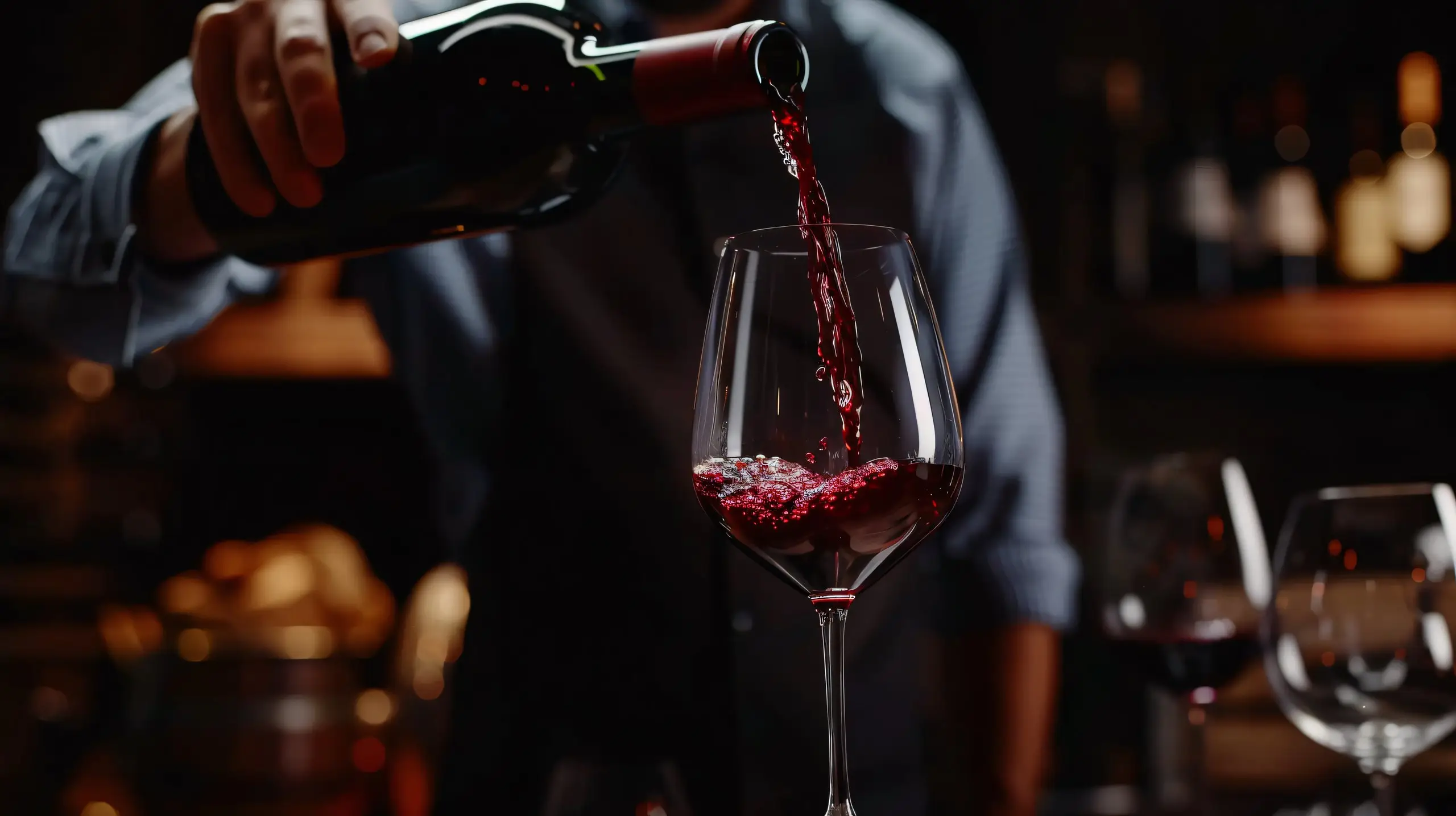
Hungarian wine is the underrated part of the country. Dry Furmint from Tokaj, Kékfrankos from Sopron, the reds from Villány and Eger. Ask for the dry stuff; visitors get offered sweet Tokaji because they are expected to want it.
Practical
- Tipping: around 10%, but look at the bill first — service charge is increasingly added, and tipping on top of it is a donation.
- Card payment is universal in the centre. Markets sometimes are not.
- Tap water is safe and free; ask for csapvíz and expect mild surprise.
- Lunch menus (napi menü) on weekdays are the cheapest good food in the city, typically two courses for the price of a sandwich.
The tour version
Four hours of this, walking, with the market halls and the things you would not order yourself, is our food walk. Come hungry and have a light breakfast — people underestimate how much tasting adds up.
Related tours
Would you rather someone local showed you?
Every tour we run is private, and the price is for the group.