guide
Budapest After Dark: Ruin Bars and the River
Szimpla is worth one drink and not three. The district it started in was the wartime ghetto, which almost nobody is told. And the best thing Budapest does after dark is free and involves no bar at all.
What a ruin bar actually was
In the early 2000s, a group of people took over a condemned building in District VII — no money, no renovation, furniture found on the street — and opened a bar in it. The rent was nothing because the building was falling down. That was Szimpla Kert, and that is the whole idea: a bar in a ruin, put together from whatever was lying around.
Twenty years later “ruin bar” is a category with investors and queues. Some of them are still genuinely what they claim. Several are a themed bar with deliberately mismatched chairs.
Szimpla: go once, early
It is on Kazinczy utca and it is still worth seeing. The courtyard, the Trabant with seats in it, the rooms stacked on rooms — it is a real place that became famous rather than a famous place built to look real.
Go at 18:00, not 23:00. By late evening in summer it is shoulder to shoulder and you are queuing for a drink in a room you cannot see.
On Sunday mornings it runs a farmers market inside, which is a completely different and much stranger experience.
The rest, honestly
Instant-Fogas, on Akácfa utca, is the big one — several buildings knocked together, multiple dance floors, open very late. It is a nightclub complex. Go if that is what you want; do not go expecting the Szimpla atmosphere.
Beyond those two, the good ones change every couple of years, which is why we are not printing a list that will be wrong by spring. Walk Kazinczy, Dob and Kis Diófa utca and look in. If a place has a queue of people holding a stag-party sash, you already know.
The thing nobody tells you about the district
District VII, where all of this is, is Erzsébetváros — the old Jewish Quarter, and in 1944 it was the Budapest ghetto. The wall ran along streets people now walk between bars.
The Dohány Street Synagogue at its edge is the largest in Europe and the second largest in the world. Behind it is a cemetery that exists because of what happened in the winter of 1944–45, in a courtyard where a synagogue would never normally have one.
You can enjoy the nightlife and know this at the same time. It is a better evening if you do.
Where the city actually looks best
This is free, takes an hour, and beats any bar:
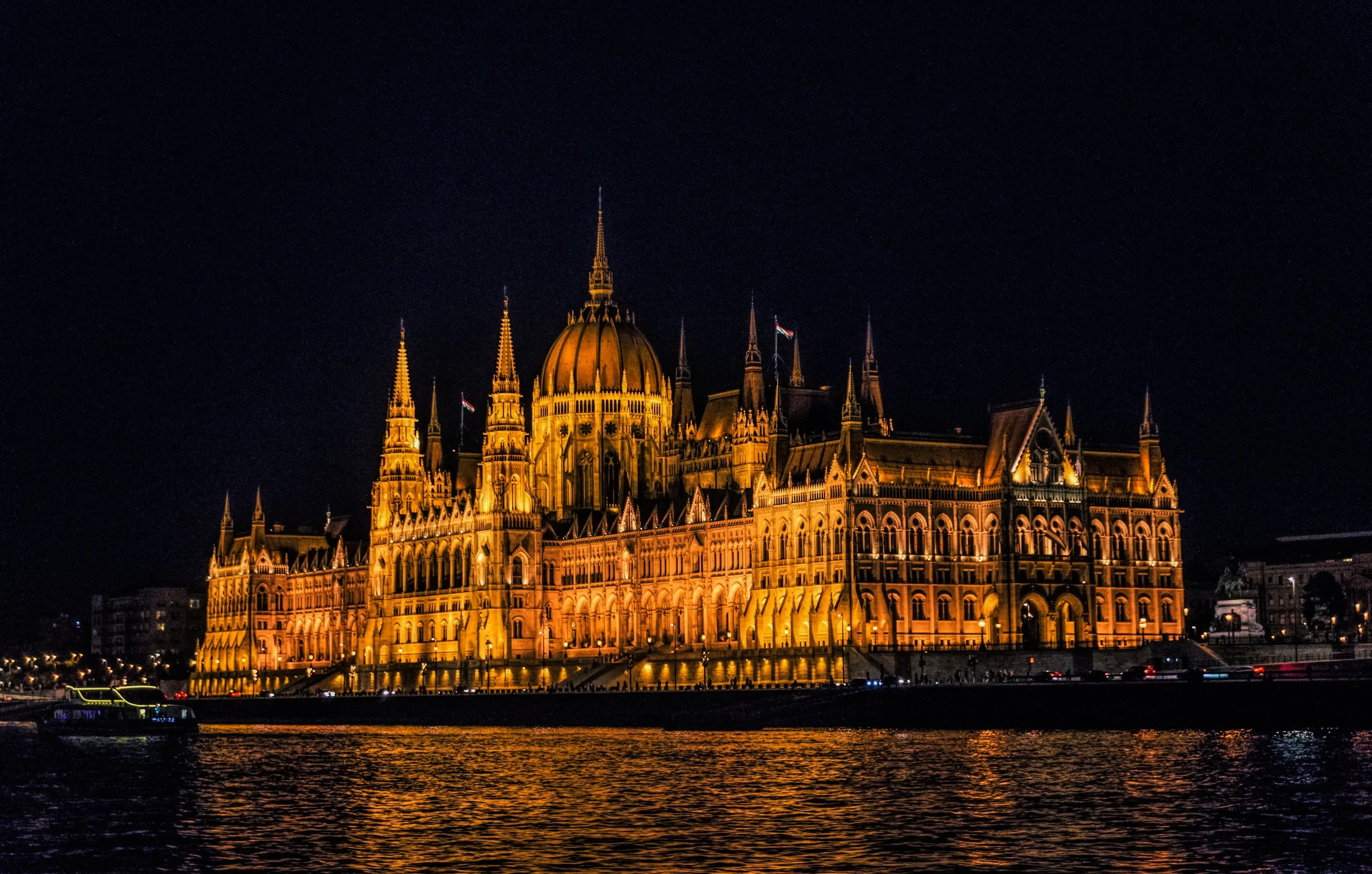
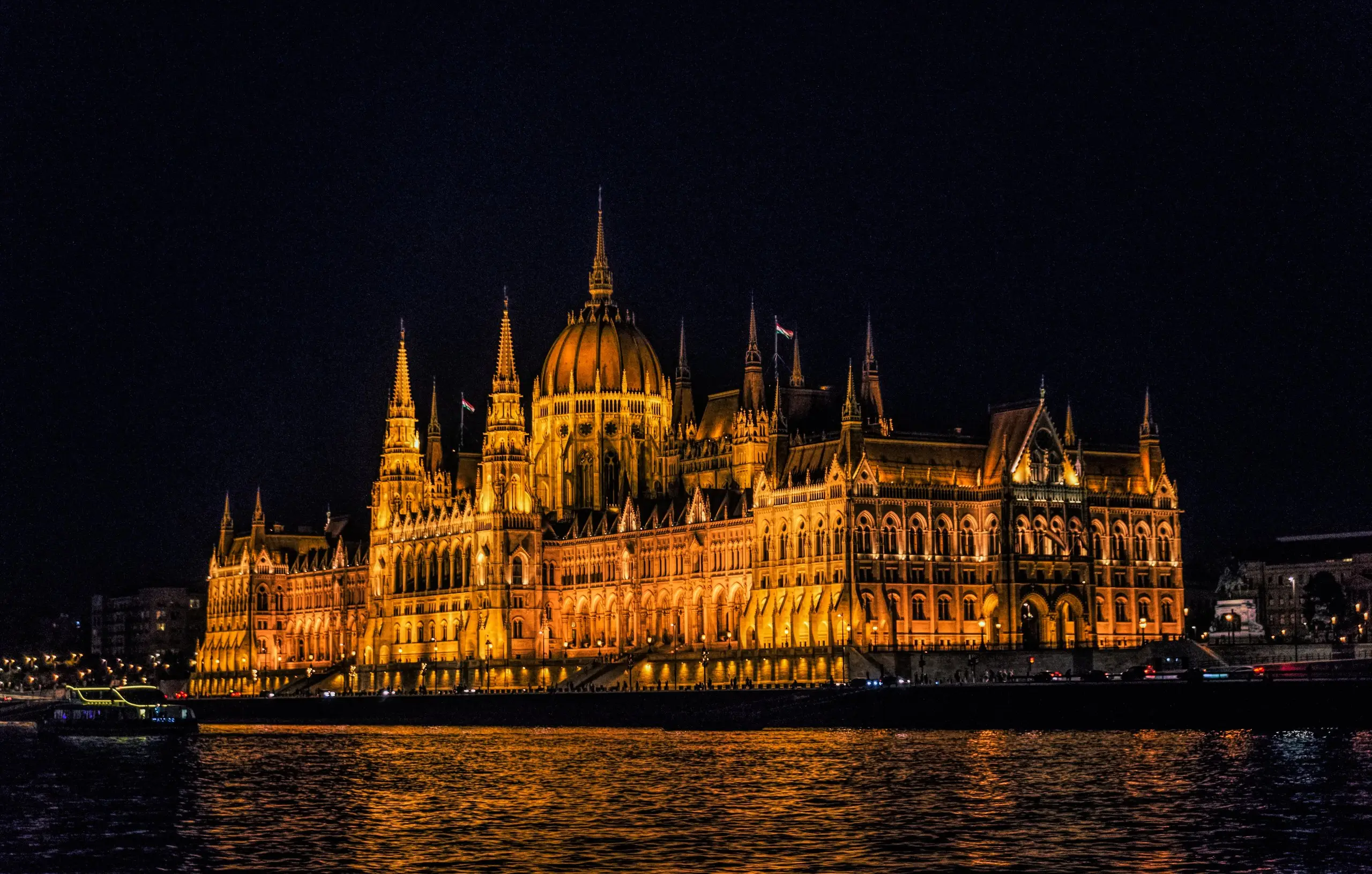
Walk the Buda embankment between the Chain Bridge and Batthyány tér, on the water, looking across at the Parliament. It is lit every night and the view from that side is the one on every postcard for a reason. The Chain Bridge reopened after a full renovation and walking across it at night is the single best twenty minutes in Budapest.
Or go up: Fisherman’s Bastion after hours is empty, free, and looks straight at the lit Parliament across the river.
On the way, on the Pest side just north of the Chain Bridge, are the Shoes on the Danube Bank — sixty pairs of iron shoes for the people shot into the river in 1944 and 1945. It is not a detour. It is on the way.
Two local rules
Hungarians do not clink beer glasses. The story is that Austrian officers toasted with beer after executing the thirteen Hungarian generals at Arad in 1849, and the country decided not to. Whether the 150-year vow is literal history or not, the custom is real and everyone knows it. Wine and pálinka are fine.
District VII is residential. People live above the bars, noise rules have tightened, and a street full of visitors shouting at 03:00 is the reason. Enjoy it and keep it down on the way out.
The guided version
Our evening walk is three hours and is mostly the river, the bridges and the lit city rather than the bars — we will point you at the right bar and then leave you in it, which is the correct order.
Related tours
Would you rather someone local showed you?
Every tour we run is private, and the price is for the group.